How to Improve Doctor-Patient Communication: Tips from Experts


Understanding the Importance of Doctor-Patient Communication
Effective communication between doctors and patients is crucial for successful healthcare outcomes. It fosters trust, ensures clarity in medical instructions, and enhances patient satisfaction. Despite its importance, many healthcare providers and patients struggle with clear communication. Here are some expert tips to bridge this gap.

Active Listening
One of the most important aspects of communication is active listening. Doctors should focus on what the patient is saying without interrupting. This ensures that the patient feels heard and understood. Active listening involves nodding, making eye contact, and providing verbal affirmations.
Patients should also practice active listening to comprehend medical advice properly. Asking clarifying questions can help to ensure that there is mutual understanding.
Use of Simple Language
Medical jargon can be overwhelming for patients. Experts suggest using simple and clear language to explain medical conditions and treatments. Doctors should break down complex terms and check for understanding by asking patients to repeat information in their own words.
Non-Verbal Communication
Non-verbal cues play a significant role in how messages are perceived. Facial expressions, gestures, and body language can all add to the communication experience. Doctors should be mindful of their non-verbal signals to ensure they are conveying empathy and understanding.
Patients can also communicate non-verbally through their body language, which may indicate their comfort or concern about the information being shared.
Encouraging Questions
Encouraging patients to ask questions is essential for effective communication. Doctors should create an environment where patients feel comfortable voicing their concerns. This can be achieved by asking open-ended questions and reassuring patients that their inquiries are welcome.

Using Visual Aids
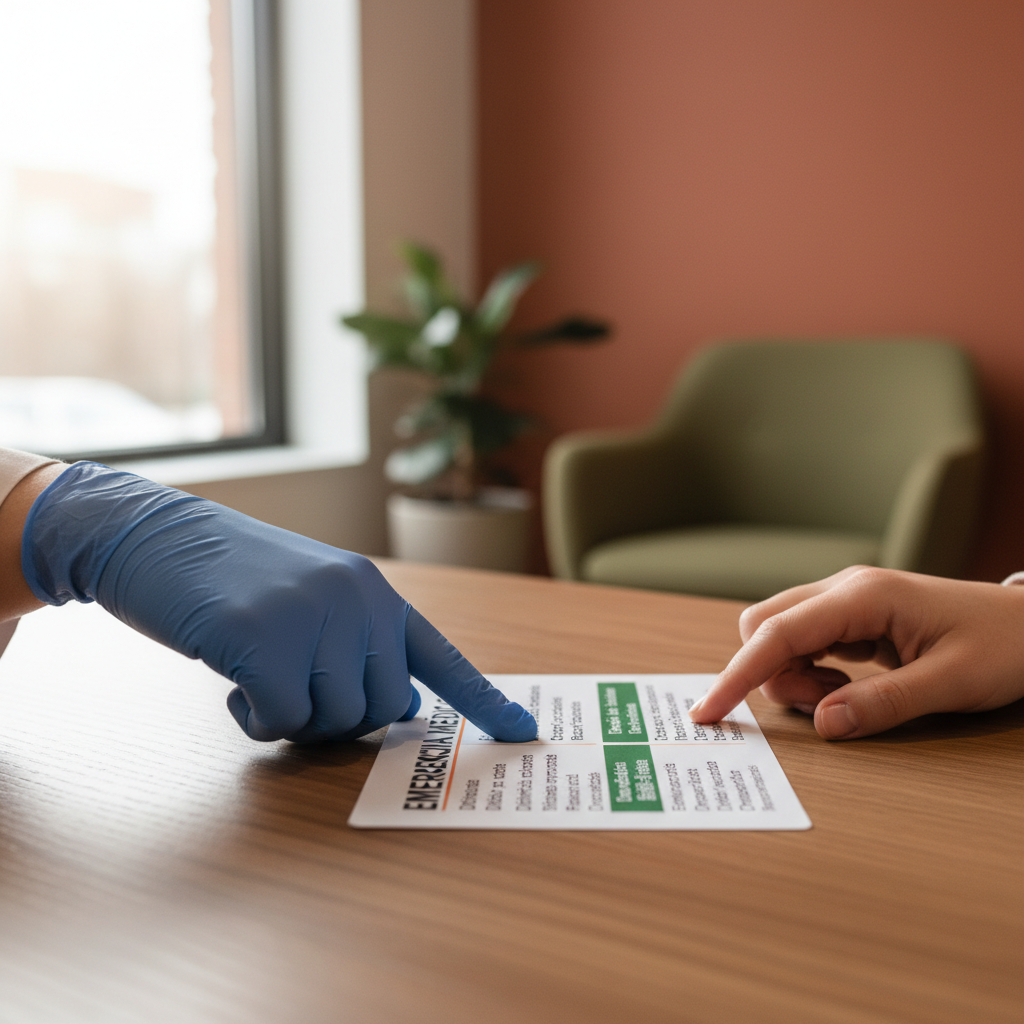
Visual aids such as diagrams, charts, and videos can be extremely helpful in explaining medical conditions and treatment plans. They provide a visual representation that can make complex information more accessible. Experts recommend incorporating these tools to enhance understanding.
Patients benefit from visual aids as they can refer back to them when needed, reinforcing the information provided during consultations.
Follow-Up and Feedback
Effective communication doesn't end when the patient leaves the office. Follow-up calls or messages can ensure that patients are following medical advice and provide an opportunity to address any further questions. Feedback from patients can also provide insights into improving communication strategies.

By implementing these expert tips, healthcare providers can significantly improve their communication with patients, leading to better health outcomes and increased patient satisfaction. Remember, effective communication is a two-way street that requires effort and understanding from both parties.